
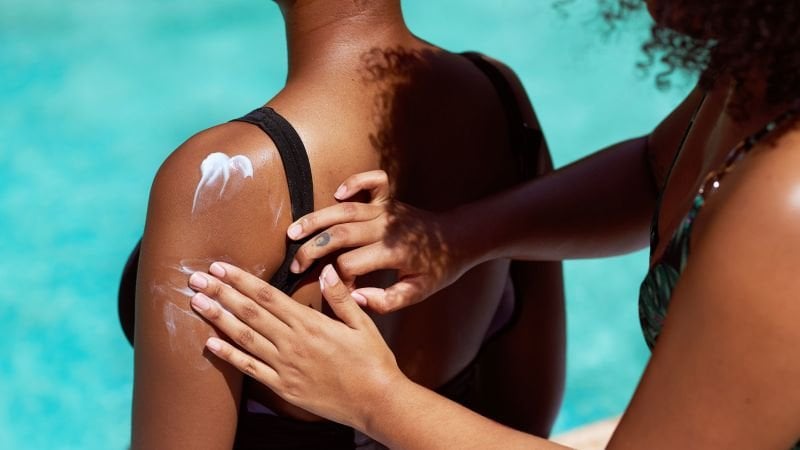
Someone sent me this link and I'm a bit freaked out? I know a lot of Asian ss are chemical-based (thus more elegant), so I'm asking this sub. My #1 concern is the products messing up my hormones, followed by coral reef damage (I do care about the earth and LOVE snorkeling on vacations!) Some of my favorite Asian ss brands are Shiseido/Anessa, Canmake, Biore, and Hada Labo.
I've read up a bit on Reddit about chemical sunscreens, and the consensus seems to be that the correlations are weak.
What do you guys think? Do you still use chemical ss (they ARE more elegant), or are you a stickler for physical ones?
And btw, if you have good physical ones to rec, please do 🙂
by Ninja_Flower_Lady
4 Comments
I stopped reading when it became clear this is based on stuff put out by the EWG. Notorious for years for misinterpreting (at best) data, amongst other complaints.
Use the sunscreen you like.
The link on the CNN article is from EWG.
EWG is notoriously known for green-washing and also listing ingredients as “toxic” while having no proof to back it up.
Long story short, regardless of it being chemical or physical, nothing is really truly beneficial to the environment because of capitalism and you should still wear sunscreen for your skin’s and overall health.
Lab Muffin Beauty Science (Australian Cosmetic Chemist) has a Youtube video about it. She says that the whole coral reef thing is a myth.
The study mentioned on CNN is done by EWG, which functions more as a lobbying group than a scientific authority similar to apps like Yuka which try to label specific ingredients as “problematic” or “dangerous” based on studies and research that use quantities (on animals) that we humans are and never will be exposed to. In short, the answer to your question is: no, it is fear mongering.
As a side note: there’s something very close to racism and perhaps even xenophobia mixed into these conversations as we, consumers of beauty products who come from another continent are only being introduced into the mainstream, are being subjected to these studies and regulations that deem filters and ingredients included in their formulas as unsafe.
We need to keep in mind that every country has their own regulations that are passed not only by lawmakers but also members of the scientific community in so many fields (toxicology, cosmetic chesmestry, and plenty more). Simply because we haven’t gotten there yet in terms of formulation doesn’t mean that what others are doing is invalid or dangerous.